

You built your LLC from the ground up. Now you're ready to hand it off to a buyer, a partner, or maybe your own kid. Where do you start? If you’re wondering how to transfer an LLC to another person, the process generally depends on the LLC’s ownership structure, operating agreement, state law, and the..
Read more
What happens when a business partner stops pulling their weight, or worse, starts pulling in the wrong direction? For a lot of LLC owners, that question isn't hypothetical. A member misses deadlines, disappears from decisions, or breaches the trust the whole company was built on, and suddenly everyone is asking the same thing: can we..
Read more
What if your business partner walked in tomorrow and asked to swap ownership stakes, and you had no idea where to even begin? It happens more often than you might think. Members sell their stake, new partners join, or the people already at the table simply agree the split should look different than it did..
Read more
You and a friend just shook hands on a business idea, and the excitement is starting to turn into questions. Can an LLC have multiple owners, or do you need a different structure entirely? The short answer is yes. When two or more people, or even other businesses, own an LLC together, it is called..
Read more
What happens when two business partners disagree and neither one can prove what was actually agreed to? For a lot of LLC owners, the answer is expensive legal fees, damaged relationships, and sometimes a business that never recovers. The good news is that one document can prevent nearly all of it: the operating agreement. Whether..
Read more
What happens to your LLC the day two members stop agreeing? Without something in writing, the answer is whatever your state's default rules say, not what you and your business partners actually intended. That is the gap an operating agreement is built to close. Forming an LLC protects your personal assets, but the paperwork does..
Read more
Delaware raised the cost of doing business on paper. House Bill 400, signed into law in May 2026, increases dozens of fees and taxes administered by the Delaware Division of Corporations, affecting LLCs, corporations, limited partnerships, and trademark holders alike. Some fees rose modestly. Others jumped several times over. Whether you already own a Delaware..
Read more
Growing your limited liability company is exciting. Maybe you have a trusted friend ready to invest, a key employee who has earned a stake, or new partners you want to bring in. Whatever the reason, adding a new member involves more than a handshake. The process touches your operating agreement, state filings, tax status, and..
Read more
One missed deadline. That's all it takes for your LLC to go from active and protected to administratively dissolved by the state. Most business owners don't realize there's a real difference between LLC reinstatement vs renewal until they're already dealing with the fallout. And by then, the fix is more complicated and more expensive than..
Read more
A deadline slips. A notice gets missed. Then one day you find out the state has administratively dissolved your LLC, not because you chose to close, but because certain compliance requirements went unmet. It’s more common than you’d think, and the consequences are real: lost liability protection, restricted business operations, and potential personal exposure. The..
Read more
You've built a thriving business in your home state. Now customers in other states are calling. Opportunity is knocking. But before you start doing business across state lines, there's an important legal step you can't skip: you may need to register as a foreign entity in each new state where you operate. In this guide,..
Read more
If you're starting a business, you've probably come across the term EIN and wondered what it is and whether you actually need one. The short answer? Most businesses do, and getting one is easier than you might think. Whether you're forming an LLC, hiring your first employee, or just trying to open a business bank..
Read more
You built your business from the ground up. Now you are ready to move to a new state, maybe for better tax laws, lower costs, or a fresh market. But what happens to your LLC? The good news: you don't have to shut everything down and start over. You can re-domesticate your LLC, essentially moving..
Read more
You filed your LLC paperwork and felt accomplished, then someone mentions your "operating agreement." Suddenly you are wondering if you missed something critical. Or maybe you have seen both "LLC agreement" and "operating agreement" and are not sure if they are the same thing. Confusion around these terms causes real problems. Some LLC owners skip..
Read more
What if you could seamlessly hand over your business to new ownership without losing everything you've built? Many LLC owners assume that changing ownership means dissolving the company and starting from scratch. That's simply not true. Whether you're selling your business, bringing on new partners, or planning for retirement, transferring LLC ownership is straightforward when..
Read more
What if missing one simple filing could cost you your business? An annual report is a required state filing that helps keep your LLC or corporation in good standing and legally active. It is not a glossy investor document; it is a compliance form used to confirm or update your business information on file with..
Read more
What if your business suddenly stopped existing, at least in the eyes of the state? When a company is dissolved, its legal existence officially ends, meaning it can no longer operate, enter contracts, or protect its owners from personal liability. For many business owners, discovering a dissolution notice comes as a shock, especially when it..
Read more
You've decided to form an LLC, and now you're staring at the state registration form wondering: should I really put my home address on this public document? Here's what most new business owners don't realize: the moment you file your LLC paperwork with your home address, that information becomes public record. Anyone can look it..
Read more
Has your Texas LLC been forfeited? For many business owners, this happens after missing required franchise tax report, public information report, or state filings. The result: your company loses its legal standing, can’t enter contracts, and risks exposing its owners to personal liability. A forfeited or dissolved LLC can't legally operate, sign contracts, or conduct..
Read more
What happens when a once-promising business partnership starts to unravel? Maybe you and your co-founder no longer share the same vision. Perhaps money disputes or clashing management styles have turned every discussion into a tug-of-war. Or maybe you’re simply ready to move on while your partner is determined to stay the course. Ending an LLC..
Read more
Ever set up an LLC and wondered what happens if you let it go quiet for a while? Picture this: You started an LLC for that brilliant business idea three years ago. Life got busy, the project stalled, and now your company is basically taking a long nap. You're probably thinking "out of sight, out..
Read more
Picture this: You formed a limited liability company two years ago with big dreams, but life got in the way. Now you're wondering if that dormant business entity is quietly racking up tax obligations while you're not looking. You're not alone. Thousands of entrepreneurs create LLCs that never get off the ground or go dormant..
Read more
With regard to business expansion and growth, venturing beyond the borders of your original formation state can be a pivotal move. However, foreign qualification to conduct business activities in a new state requires compliance with a series of legal regulations. One crucial document that signifies your compliance is the Certificate of Authority. This article delves..
Read more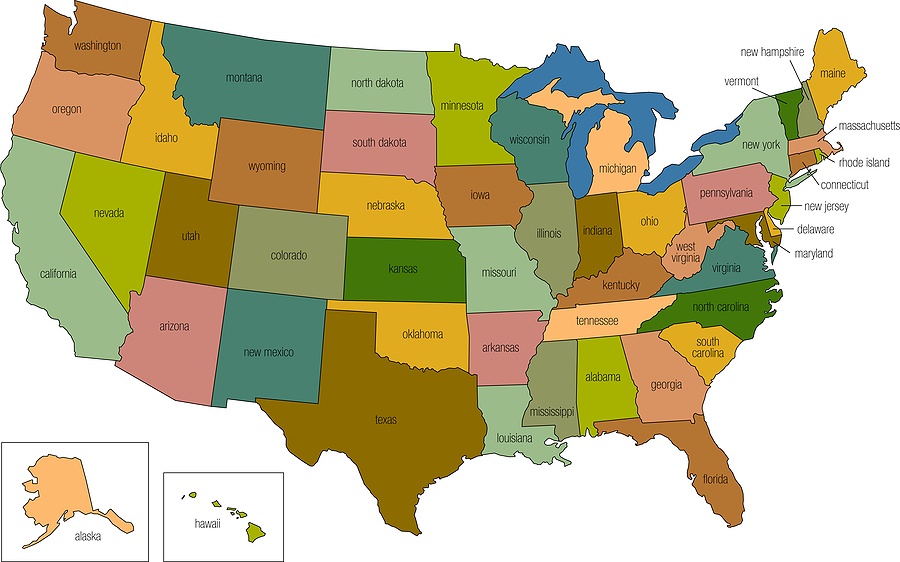
Navigating the Intricacies of Expanding Your Business Across State Borders Expanding your business beyond the state in which it was originally registered is a promising venture, but it entails navigating a complex regulatory landscape known as foreign qualification. Foreign qualification, a process often shrouded in misconceptions and jargon, is the formal registration of your business..
Read more
A limited liability company, or LLC, is the same no matter the state. Once an LLC has been registered, the way it operates and handles taxes follows similar general guidelines. However, the exact way an LLC operates, and the details of its financing, differ from one state to the next. This means that details like..
Read more
Corporate compliance is important for every business. Any company that falls out of compliance loses its good standing status in that state. If that goes on for too long, the state has the authority to dissolve the business, so knowing what regulations to follow is crucial. However, the corporate compliance basics involve more than just..
Read more
Most entrepreneurs starting up a small business are concerned with the day-to-day operations and, of course, staying profitable. However, corporate compliance is an important aspect of any business that may require a bit more time and investment. Here’s why it matters. What Is Corporate Compliance? As the name suggests, corporate compliance refers to the actions..
Read more
A business owner can’t just put a “closed” sign on the door and be legally considered out of business. Owners must take a legal and administrative step known as “business dissolution.” Sometimes this may even be forced on a company by local authorities. Here’s how to do it and restart it, known as business reinstatement…
Read more
When a business grows, in some cases, they don’t just get bigger - they also change classifications. Moving from one business category to another is called business conversions, and this is when business owners should consider conversion for their operations. Corporate Structure Business registration filing is required for every business. It identifies the type of..
Read more
If a company conducts some of its business in another state, it may be free and legal. However, if the amount of business done crosses a certain threshold, things change. The state, or states, may decide a business is running within the state, requiring authorization in the form of “foreign qualification.” Here is when a..
Read more
A certificate of authority or foreign qualification is required to run a business in another state in order to operate legally across state lines. What happens if this is ignored and business is conducted across state lines anyway? Legally Certified If a business owner makes the occasional business deal in another state, this does not..
Read more
Taxes affect businesses at the local, state, and federal levels. There are a number of rules to keep track of, but for the LLC to remain in corporate compliance, learning them is essential. These tips help companies ensure they remain in good standing. Understand Payroll If a company hires employees, this first tip is critical…
Read more
Success and growth can lead a business to consider expanding operations out of state. However, opening a business in another state requires more rules to learn and regulations to comply with. Here are three things you must remember if the business is ready to grow beyond its home state and you will need to file..
Read more
One of the things that can affect a business’s reputation is its standing. But why is this “good standing” status important for corporate compliance, and why would a company lose it? Official State Status A state will usually issue a certificate of good standing as proof that a business has this status. Depending on the..
Read more
There may come a time when a business owner decides that it’s time to expand. While opening up new offices or outlets in the same state is quite simple there are extra steps needed in order to open your business in outside states. The same name and identification can be used; however, businesses must be..
Read more
Corporate compliance keeps your business active and in good standing with the government. When you are not in compliance, you can face fees, lawsuits, and damage to your business. Compliance regulations may differ from company to company but if you are not in compliance you may not be allowed to continue operations in your state…
Read more
Whether your small business has become inactive or is in bad standing with the state, you can usually have it reinstated. Reinstatement is the process where you resolve any outstanding business compliance issues with your state. Once the reinstatement process is completed, your business will be active and in good standing. The reinstatement process varies..
Read more
The most successful businesses are built on trust, whether the trust of individual customers coming in to purchase a product or service or clients who have enjoyed a certain level of quality and keep coming back to a proven reliable business. However, this trust, while built on the reputation and practices of the companies, is..
Read more
Staying within federal, state, county, or city/town corporate compliance is crucial to a business remaining in good standing with the government and being allowed to operate legally and with a clean reputation. However, staying compliant can sometimes require the participation of all levels of a business. Keeping a license valid and remembering to renew it..
Read more
The goal of any business is to succeed, and part of the success process is growth. There may come a time when a company expands operations, requiring a bigger workspace, then eventually requiring more workspaces within the city, the state, and finally, other cities or towns in other states entirely. However, to operate a branch..
Read more
Society, in general, and business, in particular, is governed by rules and the expectation that those rules will be followed. This is especially important for companies because a successful business generates much revenue but must also manage employees while providing a product or service to clients that should be safe and beneficial to use. One..
Read moreSmall business owners are faced with a multitude of matters to consider throughout the course of their business. One critical matter is taxes. While individual taxpayers usually think about taxes each year and with a deadline for filing their returns by April 15, small business owners have to consider taxes far more often than that;..
Read moreSmall business owners face countless challenges in getting their companies up and running. Start-up costs, overhead, building a client base and other operating fees can make it difficult for a new company to achieve success. An audit by the IRS in particular can cost money that should be spent growing the company. Audits can devastate..
Read more